
Heroin Addiction Facts
According to the National Institute on Drug Abuse, 128 American citizens lose their lives on a daily basis at the hands of a drug-related overdose. These overdose deaths are largely fuelled by the current national opioid epidemic, which has been attributed predominantly to an increase in heroin abuse. In the year 2019 alone, close to 50,000 innocent men and women lost their lives to the opioid-epidemic, and every year the number of fatalities continues to increase. How did the nationwide heroin problem get so out of hand? In the mid-1990s large pharmaceutical companies began manufacturing an excessive amount of opioid painkillers, which they handed off to medical professionals while assuring them that they were non-habit-forming and exceedingly safe to use.
It was soon discovered that this was far from the truth. Not only were medications like oxycodone and hydrocodone causing a range of adverse effects, they were quickly leading to physical and psychological dependence. Regulation was enforced and circulation was reduced, but many men and women had already become dependent on the potent prescription opioids. Rather than seek professional help for their substance abuse disorders, they turned to a cheaper and more readily accessible alternative: heroin. Since then, heroin abuse has taken the nation by storm, ruining and claiming countless lives. Heroin dealers soon began lacing their “product” with fentanyl, a synthetic opioid that is between 50 and 100 times more potent than morphine. Fentanyl-laced heroin is now the number one cause of accidental drug overdose-related death throughout the US.
At The Immersion Program we are dedicated to helping men and women of all ages and walks of life overcome heroin abuse and addiction and go on to lead the healthy and productive lives they deserve. For more information on our comprehensive recovery program contact us today.

In order for you and your loved ones to better understand the far-reaching implications of heroin addiction, we have compiled a list of 10 little-known facts. For more information on heroin addiction to get started on your own personal journey of heroin addiction recovery — or to help your loved one get started – contact us today.
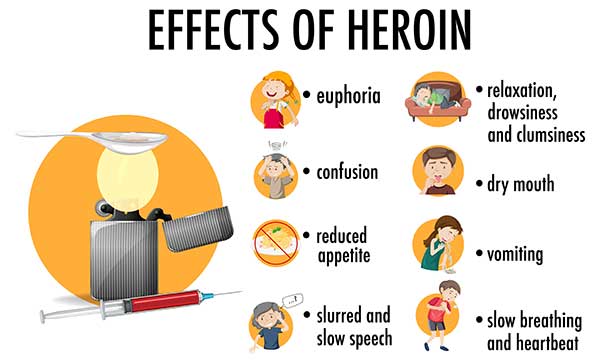
- The long-term effects of heroin abuse are extensive and severe – People who use the drug intravenously are at risk of physical issues like collapsed veins, infection of the heart valves and the lining of the heart, stomach cramping, chronic constipation, kidney disease, liver disease and the contraction of blood-borne diseases like hepatitis and HIV. According to the Centers for Disease Control and Prevention, 48 percent of intravenous drug users between the ages of 18 and 24 commonly share syringes. The same study suggests that 55 percent of all people who use drugs intravenously and who got tested for a blood-borne disease tested positive for HIV within the past 12 months. Intravenous heroin users accounted for roughly 10 percent — or 3,864 individual cases — of all new HIV diagnoses in the US during the year 2018.
- The United States Drug Enforcement Administration produced an informational film – The film was in response to an increase in nationwide heroin abuse titled, “Chasing the Dragon.” The film takes a realistic look at heroin addiction and confirms the fact that the disease of addiction is non-discriminatory, meaning, it can happen to anyone.
- Heroin affects the way the brain functions – Heroin addiction can lead to permanently impaired cognitive functioning. As soon as heroin enters the brain it attaches itself to opioid receptors — small molecules scattered throughout the brain and the body that control the perception of both pain and pleasure. This is why heroin use results in a euphoric rush, and it is also why this specific chemical substance is so highly addictive. When the high wears off and heroin is removed from the system, the user is left feeling down and depressed. The user believes that in order to experience pleasure, heroin must be reintroduced to the system. This leads to a vicious cycle of abuse in an alarmingly short period of time.
- Many heroin dealers combine heroin with chemical substances – Some of the substances that are commonly mixed with heroin include powdered caffeine, chalk, sugar, flour, starch, spices such as nutmeg and cinnamon, zinc and copper. Taking this illicit substance is always a gamble.
- While intravenous heroin use leads to the highest number of overdose-related deaths, heroic can also be snorted or smoked – Some people mistakenly believe that ingesting heroin nasally or orally reduces its potency and therefore decreases the risk of serious health effects. However, all three methods of use are linked to physical and psychological dependence. Smoking heroin can lead to irreversible lung damage and chronic pneumonia, and snorting heroin can lead to the deterioration of nasal passages. All three methods of heroin abuse require immediate intervention and long-term treatment. There is no “safe” way to use this potent opioid narcotic.

- The US National Library of Medicine published an article detailing the severe consequences of laced heroin – One chemical they found led to skin necrosis. When individuals injected heroin they experienced a devastating reaction as the skin surrounding the injection site rapidly deteriorated. This is just one of many similar stories relating to abnormal complications associated with heroin addiction.
- Heroin withdrawal is a complicated process – Most people mistakenly believe that heroin withdrawal ends once physical stabilization has been achieved. On the contrary, there are three main phases of heroin withdrawal, and the last phase can last for years if not adequately treated. The initial stage begins within the first 24 hours of the last dose and includes flu-like symptoms. These symptoms become more severe and peak within the first one to three days of withdrawal. Post-acute withdrawal symptoms (those that last long after heroin is out of the system) include insomnia, drug cravings, chronic constipation and depression.
- One of the most common and telltale symptoms of heroin addiction is “nodding out” – the person vacillates in between consciousness and unconsciousness. While this symptom is common, it is indicative of a serious addiction that can easily lead to overdose. People can easily slip into a comatose state which results in severe respiratory depression (slowed breathing). If you are someone you know is struggling with a heroin abuse disorder and regularly “nods out” it is a good idea to seek professional addiction treatment as quickly as possible.
- Severely itchy skin is another symptom commonly associated with heroin abuse and addiction – Heroin has a propensity to cause flushing of the skin coupled by a release of histamines, the naturally occurring compounds the body produces during a severe allergic reaction. Many heroin users have scratch marks and lesions on their skin because of the related itchiness.
- There are three different types of heroin frequently abused and each has a different color – Most people are familiar with black tar heroin — a thick and sticky substance typically from the United States or Mexico. However, heroin can also have a brown and chalky form. This form typically comes from Colombia, Pakistan or Afghanistan. If heroin is sold in a white powdered form it typically comes from Southeast Asia. This form, often called “China white” is rarely found in the US. All three varieties of heroin are equally dangerous and habit-forming.

Get Started With Heroin Addiction Recovery
At The Immersion Program we have extensive experience treating heroin abuse disorders of all severities. Heroin addiction is a time-sensitive matter, and it is crucial that professional help is sought immediately. To learn more about our program of recovery contact us today.